The Autonomous Compliance Radar: Real-Time Regulatory Intelligence
Regulations change daily across hundreds of jurisdictions. The Compliance Radar continuously monitors, interprets, and adapts your compliance posture automatically.
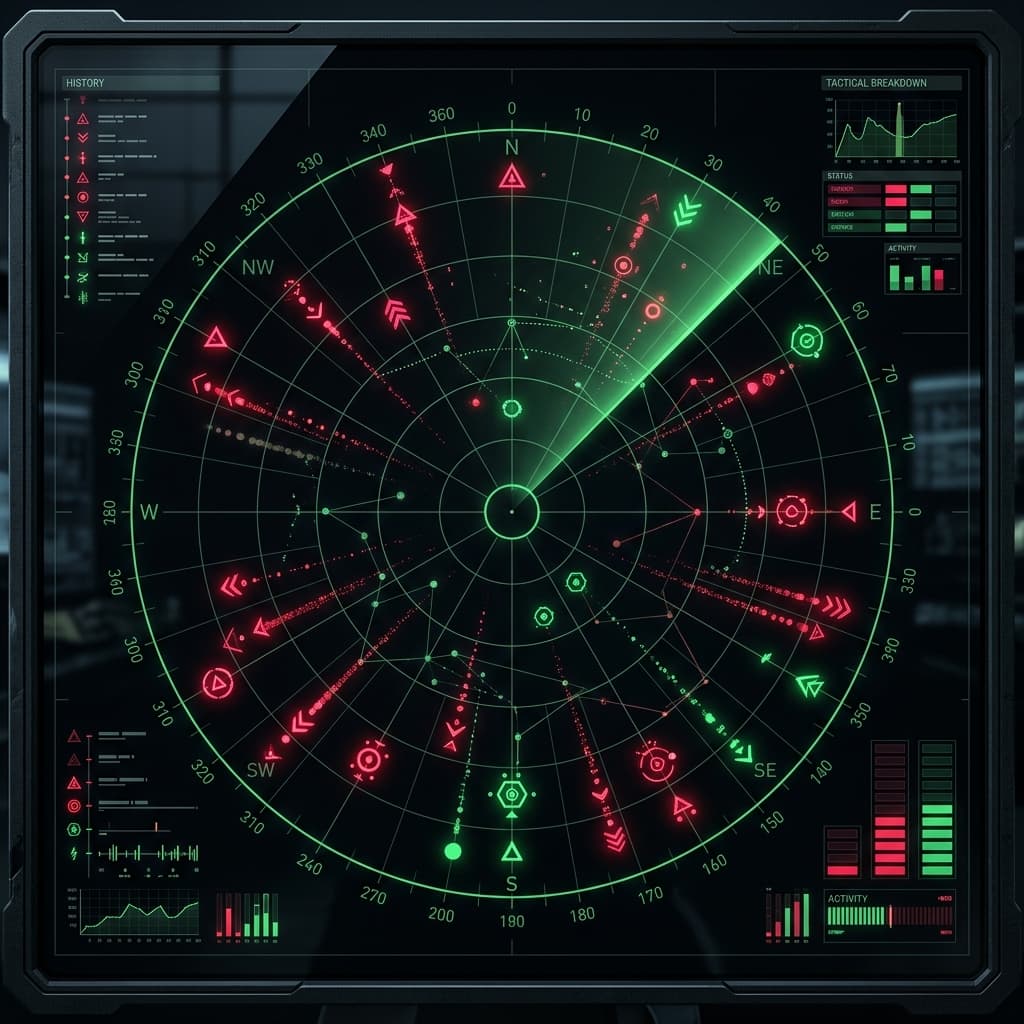
The Regulatory Firehose
In 2025, global regulatory bodies issued over 61,000 regulatory updates—an average of 167 per business day. These span financial services regulations, privacy laws, employment standards, environmental requirements, trade compliance rules, and industry-specific mandates across federal, state, and international jurisdictions.
No human compliance team can monitor this volume. The traditional approach—subscribing to legal alerts, attending CLE seminars, and relying on outside counsel to flag relevant changes—is fundamentally reactive. By the time a regulatory change is identified, interpreted, and acted upon through traditional channels, weeks or months have passed. During that gap, your organization operates in non-compliance, exposed to enforcement actions, fines, and reputational damage.
The Cost of Reactive Compliance
The average Fortune 500 company pays $14.8 million annually in regulatory fines and penalties. Of these, an estimated 60% are attributable to regulations that the company knew about but failed to implement in time. The knowledge existed. The execution didn't.

The Compliance Radar
Vigil's Compliance Radar transforms regulatory monitoring from a reactive, human-dependent process into a continuous, autonomous intelligence system.
1. Continuous Regulatory Ingestion
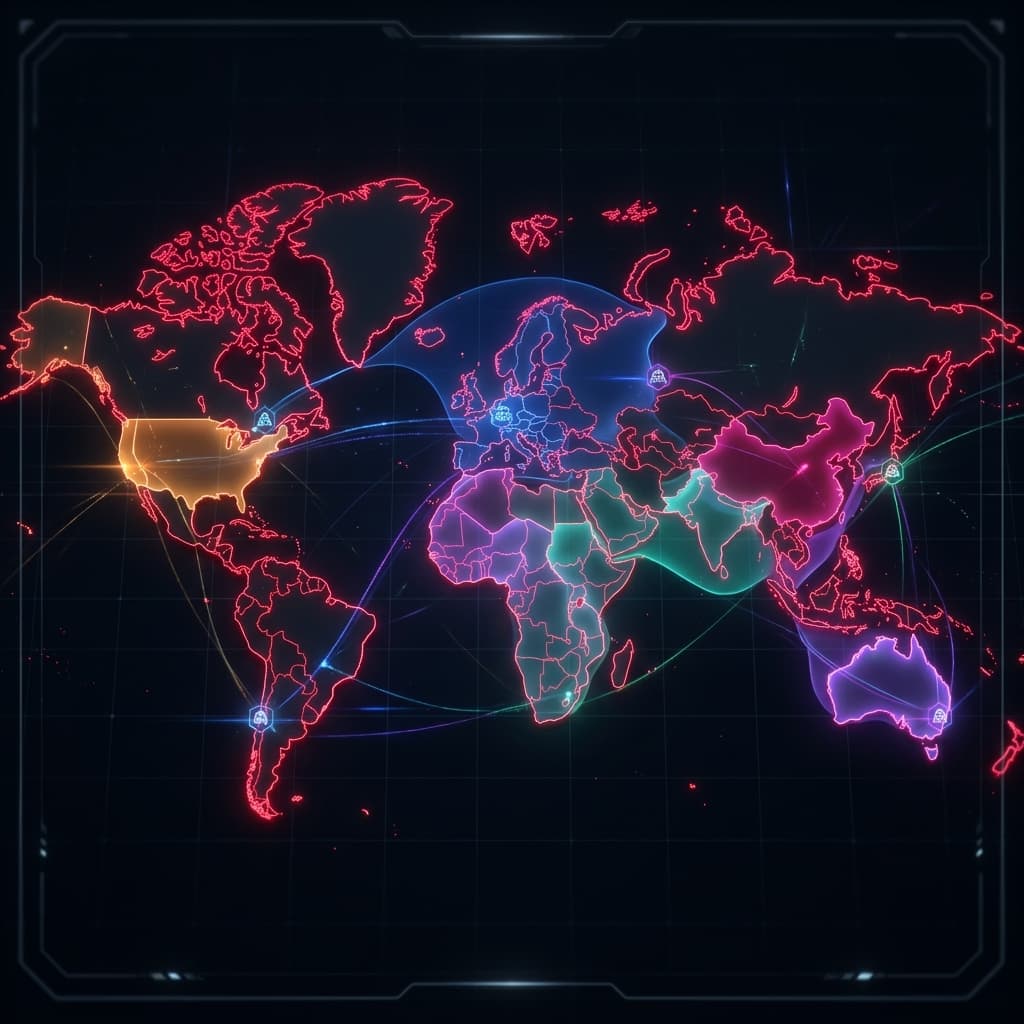
The Radar continuously monitors over 2,500 regulatory sources across 180 jurisdictions: federal registers, state legislative databases, regulatory agency websites, international treaty organizations, and industry-specific regulatory bodies. New regulatory text is ingested within hours of publication—not weeks.
2. Autonomous Impact Assessment
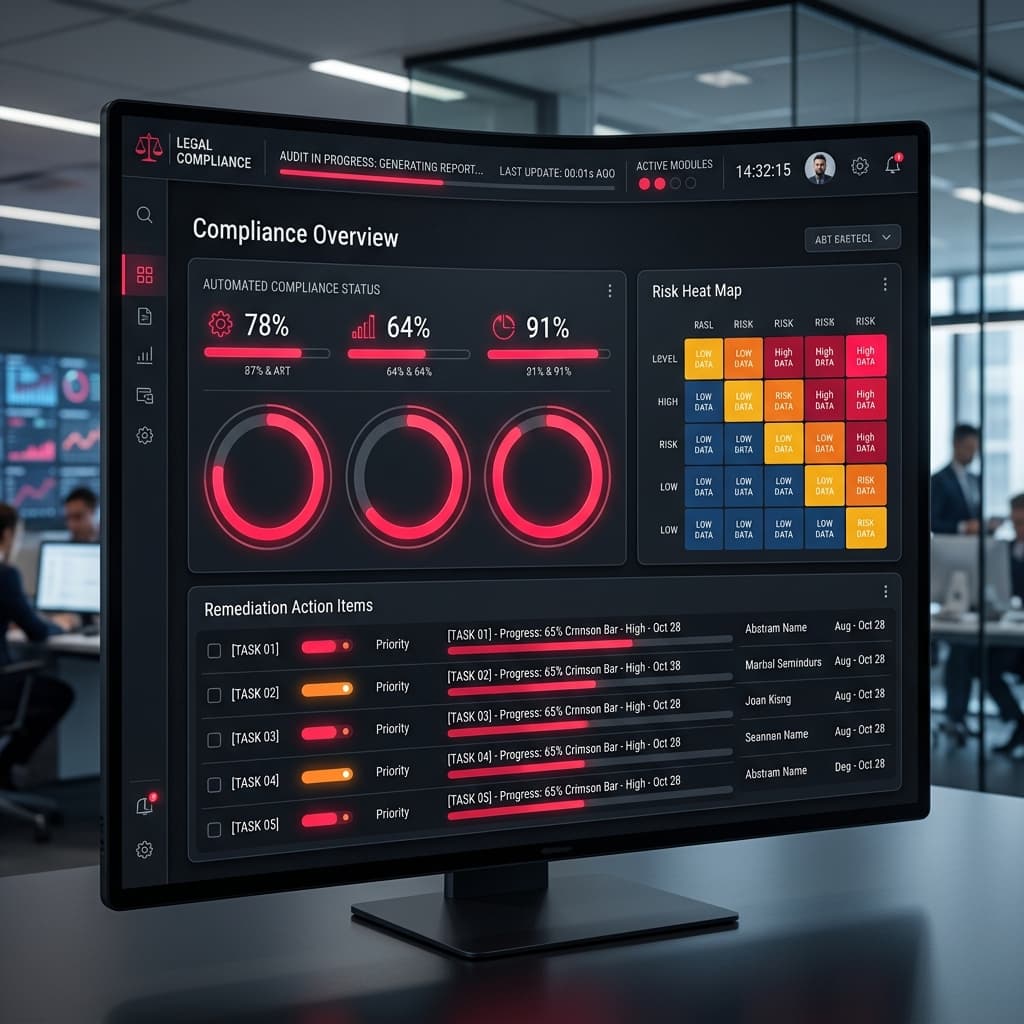
When a new regulation is detected, the Radar doesn't just flag it. It performs a complete impact assessment against your organization's operational profile:
- Which business units are affected?
- Which existing policies need to be updated?
- Which contracts contain provisions that conflict with the new regulation?
- What is the compliance deadline?
- What are the penalties for non-compliance?
- What comparable regulations exist in other jurisdictions where you operate?
This assessment is generated automatically within minutes of the regulation's publication, giving your compliance team a complete action plan before most organizations even know the regulation exists.
3. Automated Policy Adaptation
For routine regulatory changes—updates to filing deadlines, adjustments to monetary thresholds, new form requirements—the Radar can autonomously update your internal compliance documentation, generate the required filings, and stage them for approval without any human intervention.
For substantive regulatory changes that require legal judgment—new restrictions on data processing, changes to fiduciary standards, modifications to disclosure requirements—the Radar generates a detailed analysis with recommended actions, draft policy language, and a prioritized implementation timeline.
From Reactive to Predictive
The most powerful feature of the Compliance Radar is not its monitoring capability—it is its predictive capability. By analyzing patterns in regulatory activity across jurisdictions, the Radar can predict with high confidence which regulations are likely to be adopted in jurisdictions that haven't yet acted.
When California passes a new privacy regulation, the Radar analyzes the legislative activity in other states and predicts which states are likely to adopt similar provisions within the next 12-24 months. Your organization can begin preparing for regulations that haven't been passed yet, converting compliance from a cost center into a strategic advantage.